
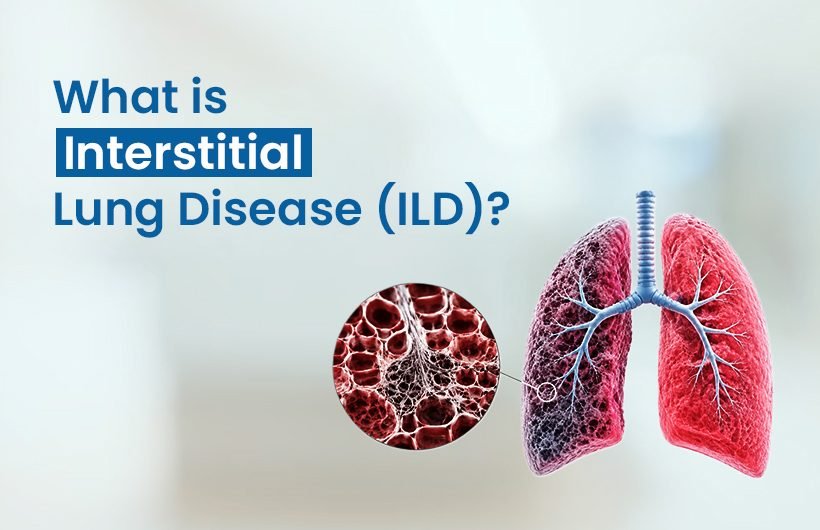
Interstitial Lung Disease (ILD) is a group of lung disorders that cause inflammation and scarring in the lungs. Over time, the lungs become stiff, making breathing difficult and reducing oxygen supply to the body. Early diagnosis and treatment can help slow disease progression and improve quality of life.
What Is Interstitial Lung Disease (ILD)?
Interstitial Lung Disease, commonly called ILD, refers to more than 200 lung conditions that affect the interstitium, the tissue surrounding the tiny air sacs (alveoli) in the lungs.
In healthy lungs, oxygen moves easily from the air sacs into the bloodstream. However, in ILD, inflammation and scarring make the lung tissue thick and stiff, reducing the lungs’ ability to deliver oxygen effectively.
As the disease progresses, patients may experience increasing breathlessness, fatigue, and reduced physical activity.
According to Dr Rushi Desai, early recognition of ILD symptoms is extremely important because delayed treatment can lead to permanent lung damage.
Interstitial Lung Disease Symptoms
ILD symptoms often develop gradually and may worsen over time. In the early stages, symptoms can be mild and are sometimes mistaken for normal aging, weakness, or common respiratory problems.
Common ILD Symptoms Include:
- Shortness of breath, especially during walking or climbing stairs
- Persistent dry cough
- Fatigue and low energy
- Chest discomfort
- Unexplained weight loss
- Reduced exercise tolerance
- Clubbing of fingers in advanced stages
Many patients ignore early symptoms until breathing difficulties begin affecting daily life. Seeking medical attention early can help improve treatment outcomes.
Causes of Interstitial Lung Disease
There are many possible causes of Interstitial Lung Disease. In some patients, the exact cause cannot be identified. This is known as idiopathic ILD.
Common ILD Causes
- Long-term exposure to dust, chemicals, or pollutants
- Smoking and tobacco exposure
- Autoimmune diseases such as rheumatoid arthritis
- Certain medications
- Recurrent infections
- Genetic or hereditary conditions
- Occupational exposure in industries involving asbestos, silica, or chemicals
Types of ILD Based on Causes
Idiopathic Pulmonary Fibrosis (IPF)
A serious form of ILD with an unknown cause.
Occupational ILD
Develops due to workplace exposure to harmful substances.
Autoimmune-related ILD
Occurs in patients with connective tissue disorders.
Drug-induced ILD
Triggered by certain long-term medications.
Identifying the underlying cause is important because treatment plans differ depending on the type and severity of ILD.
How Interstitial Lung Disease Affects the Lungs
ILD damages the delicate tissue inside the lungs and gradually causes fibrosis (scarring). As scarring increases:
- the lungs become stiff,
- oxygen transfer reduces,
- breathing becomes difficult.
This is why many patients feel breathless even during simple activities.
In advanced cases, low oxygen levels can affect the heart and other organs, making timely treatment essential.
How Is ILD Diagnosed?
Diagnosing Interstitial Lung Disease requires a detailed medical evaluation along with imaging and lung function tests.
Common Tests Used for ILD Diagnosis
Pulmonary Function Test (PFT)
Measures lung capacity and breathing efficiency.
High-Resolution CT (HRCT) Scan
Helps detect inflammation and lung scarring.
Chest X-ray
Provides an overview of lung abnormalities.
Blood Tests
Used to identify autoimmune conditions or infections.
Bronchoscopy
Allows doctors to examine the airways and collect samples.
Lung Biopsy
May be required in selected cases for accurate diagnosis.
Early diagnosis is important because treatment is more effective before severe fibrosis develops.
Interstitial Lung Disease Treatment Options
Although many forms of ILD cannot be completely cured, proper treatment can help:
- slow disease progression,
- improve breathing,
- reduce symptoms,
- enhance quality of life.
1. Medications
Doctors may prescribe:
- anti-inflammatory medicines,
- anti-fibrotic drugs,
- immunosuppressants.
Treatment depends on the specific type of ILD.
2. Oxygen Therapy
Oxygen support helps maintain healthy oxygen levels and reduces breathlessness.
3. Pulmonary Rehabilitation
This includes:
- supervised exercise training,
- breathing exercises,
- nutritional guidance,
- lifestyle counselling.
4. Lifestyle Changes
Patients are advised to:
- quit smoking,
- avoid pollution and dust exposure,
- stay physically active,
- Maintain a healthy diet.
5. Lung Transplant
In advanced ILD cases, lung transplantation may be considered.
According to Dr Rushi Desai, personalized treatment plans are essential because every patient experiences ILD differently.
Can Interstitial Lung Disease Be Cured?
One of the most common patient concerns is whether ILD can be cured completely.
Most types of ILD cannot be fully cured once significant scarring develops. However, early diagnosis and treatment can slow disease progression and improve long-term quality of life.
Important Things Patients Should Know
- Early-stage ILD is easier to manage
- Regular follow-up is necessary
- Lifestyle changes play an important role
- Timely treatment can reduce complications
When Should You Consult a Doctor?
You should consult a pulmonologist if you experience:
- Ongoing breathlessness,
- persistent dry cough,
- reduced stamina,
- difficulty performing daily activities,
- Symptoms not improving with routine treatment.
If you are searching for an ILD specialist in Ahmedabad, early evaluation can help prevent severe lung damage and improve treatment outcomes. Consulting experienced pulmonologists like Dr Rushi Desai can help ensure timely diagnosis and personalized treatment for Interstitial Lung Disease.
Daily Life Tips for Patients with ILD
Living with ILD requires long-term care and monitoring.
Helpful Daily Management Tips
- Follow medications regularly
- Practice breathing exercises
- Stay physically active as advised
- Avoid infections and take vaccinations
- Monitor oxygen levels when recommended
- Maintain emotional and mental well-being
- Attend regular medical follow-ups
Support from family members and guidance from an experienced pulmonologist can significantly improve quality of life.
Conclusion
Interstitial Lung Disease is a serious condition that affects breathing and oxygen supply to the body. However, early diagnosis, proper treatment, and healthy lifestyle changes can help patients manage symptoms and live better lives.
If you or your loved one experiences persistent breathlessness or a chronic dry cough, do not ignore the symptoms. Early consultation with an experienced pulmonologist like Dr Rushi Desai can help ensure timely diagnosis and personalised care.
FAQs
1. What is ILD in simple words?
ILD is a group of lung diseases that cause inflammation and scarring in lung tissues, making breathing difficult.
2. What are the early symptoms of ILD?
Early symptoms include mild breathlessness, dry cough, fatigue, and reduced exercise capacity.
3. What causes Interstitial Lung Disease?
ILD may be caused by smoking, pollution, autoimmune diseases, medications, workplace exposure, or unknown reasons.
4. Is ILD life-threatening?
Advanced ILD can become serious, but early diagnosis and treatment can help manage the disease effectively.
5. How is ILD diagnosed?
Doctors diagnose ILD using tests such as Pulmonary Function Tests (PFT), HRCT scans, blood tests, and Bronchoscopy.
6. Can ILD patients live a normal life?
Many patients can maintain a good quality of life with early treatment, pulmonary rehabilitation, and regular medical care.